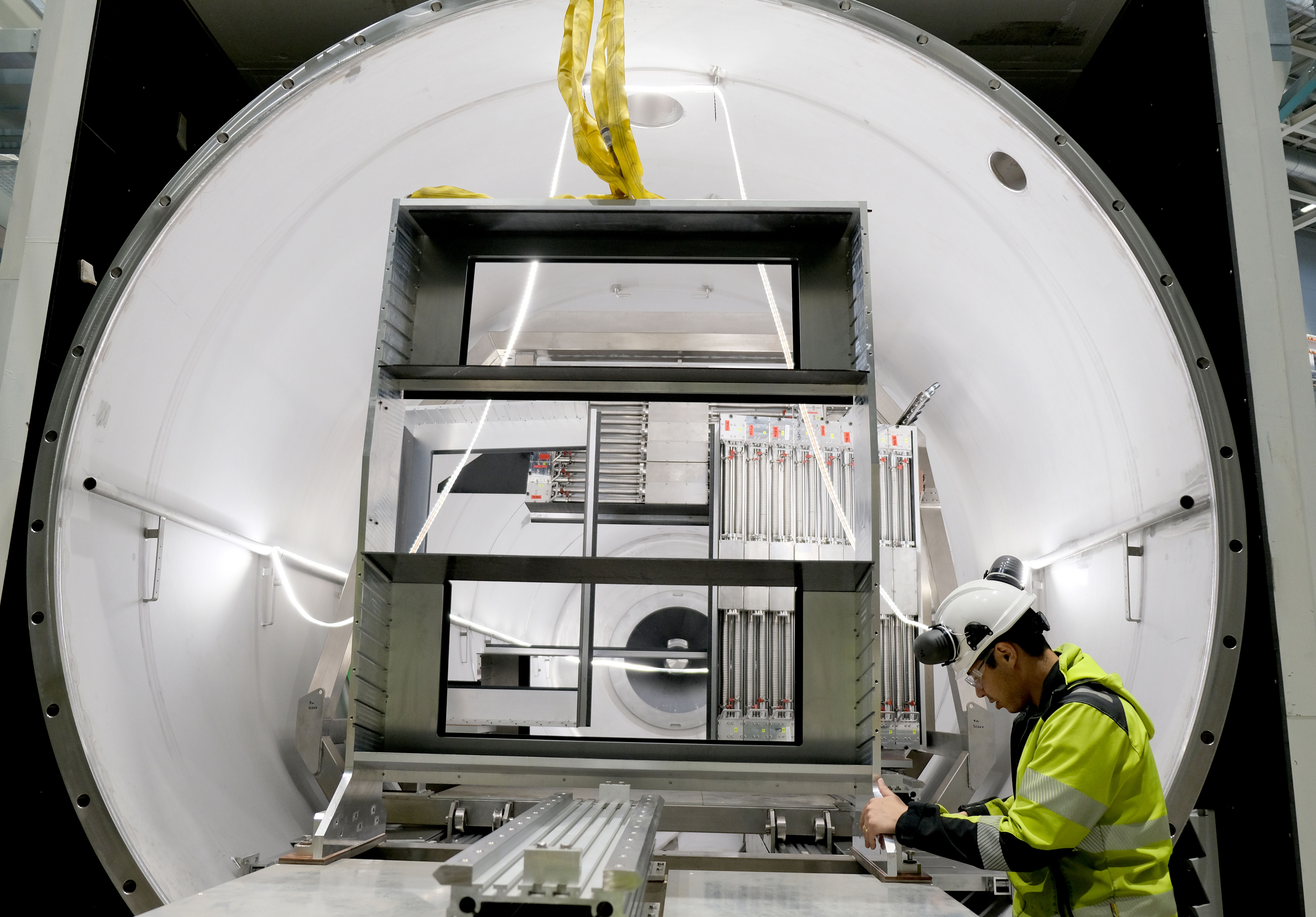
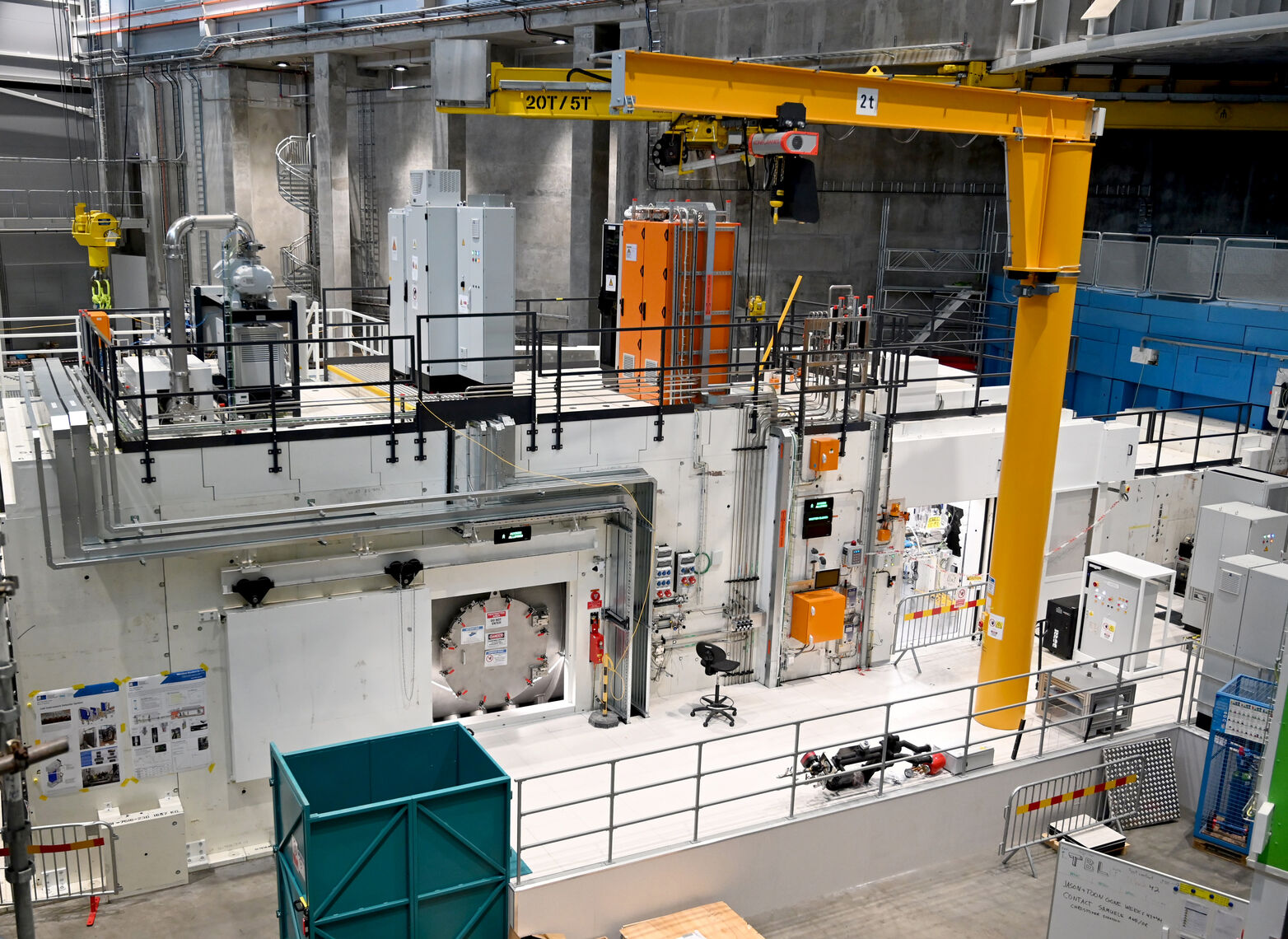
In the second instalment of our mini-series on the first of the ESS instruments that are ready to receive neutrons, we focus on LoKI. Built by the UK Science and Technology Facilities Council (STFC), LoKI was designed primarily for life science and soft matter research, such as studies of gels, batteries, and biological systems.
LoKI applies the SANS (Small Angle Neutron Scattering) technique, the go-to tool for scientists who want to unravel how polymers tangle, how proteins fold, or how nanoparticles bundle together, without destroying the sample in the process.
It all starts by firing a beam of neutrons at the sample. As the neutrons pass through, they collide with the nuclei of the atoms in the sample and are scattered. Only small scattering angles are measured (hence the name – SANS), so the pattern provides information about large-scale structural features rather than individual atomic positions. By analysing the scattering pattern, researchers can mathematically reconstruct the size, shape, and orientation of the particles inside the sample.
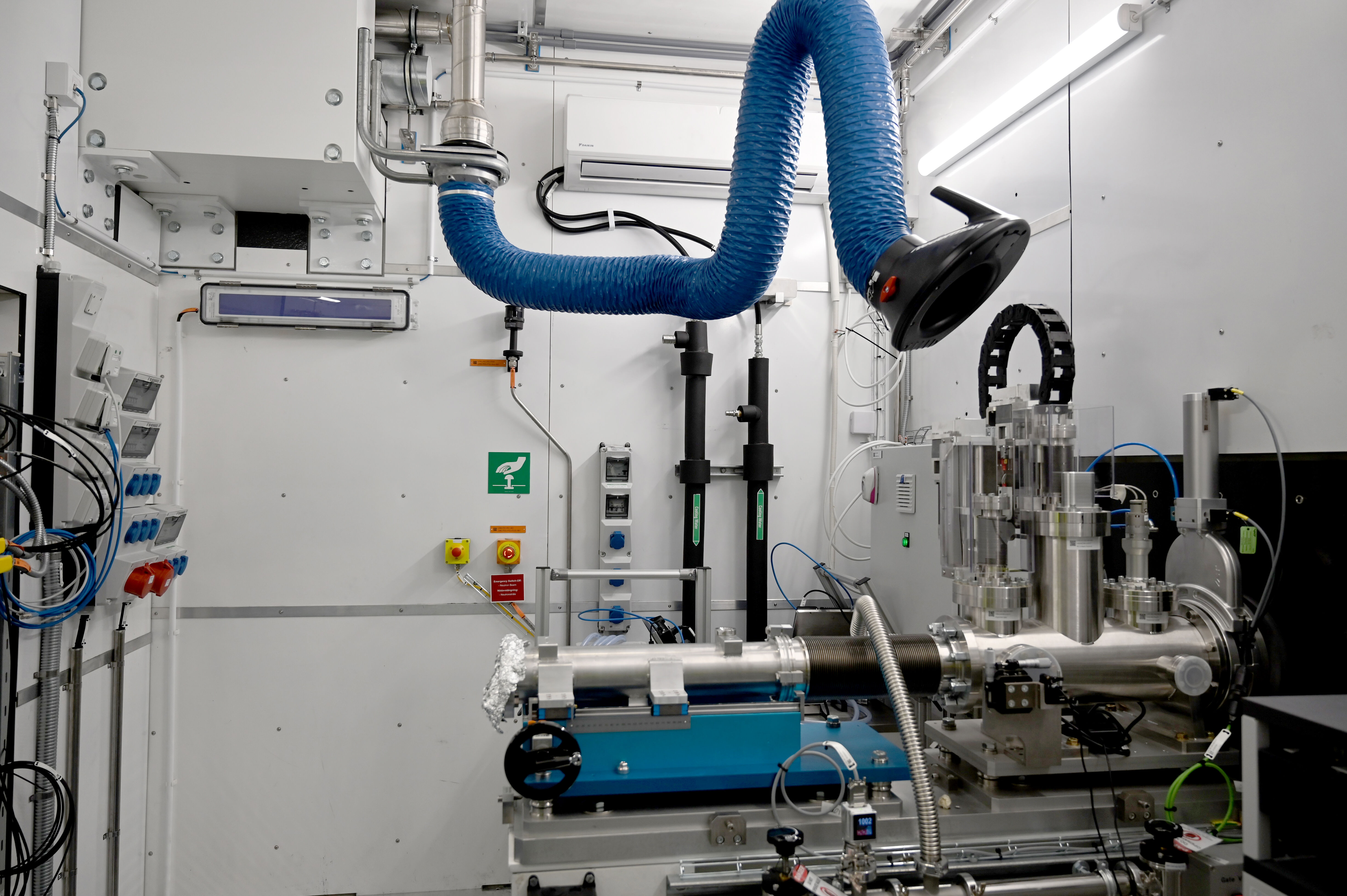
LoKI will, in fact, measure wider scattering angles, thanks to the higher neutron flux that the ESS neutron source will provide and LoKI’s larger detector (larger than 6m2 compared to 1-2m2 in other instruments). The higher neutron flux brings further benefits: scientists will be able to measure changes that occur on the millisecond to second timescale; they will be able to measure samples faster, thus decreasing the time between measuring and obtaining the data; it will be possible to measure smaller samples (such as small amounts of protein complexes) and obtain better data from weakly scattering materials.
As Judith Houston, LoKI Lead Instrument Scientist, says, “These features are unique to LoKI, and give it an enormous advantage over existing SANS instruments – something future users are very excited about. Our user community is huge, and there is much demand for LoKI”.
Research with LoKI
Researchers will use LoKI to investigate a wide range of samples and systems: proteins, viruses, lipid vesicles, colloids, including microgels, surfactants and polymers that self-assemble, gels, polymer blends and more. All have in common a high level of complexity and heterogeneity: they are made up of different components, in changing configurations and in different environments.
LoKI will provide answers to some of the most challenging questions in the fields of health, and pharmaceutical products, energy sustainability and food. Judith gives an example, “Researchers have used SANS to better understand the structure of the protein in the virus capsid, how that relates to its function, and thus infer how vaccines can best interfere with the protein’s normal behaviour. Such studies happened during the COVID pandemic; LoKI can bring significant advances in this area”.
Another area where LoKI may make a difference is in ongoing efforts to harness solar energy. Organic solar cells are promising but as yet inefficient alternatives to silicon-based cells. They work by placing a mixture of polymers between two conductive layers; upon illumination, the polymer mixture converts photons from sunlight into electron movement, which in turn is captured by the conductive layers as a voltage across the device. LoKI is well-suited to study the temperature fluctuations and physical stresses experienced by the nanoscale cell polymers in organic solar cells during operation, and so ultimately develop more efficient cells.
Ready for neutrons. Preparing for science
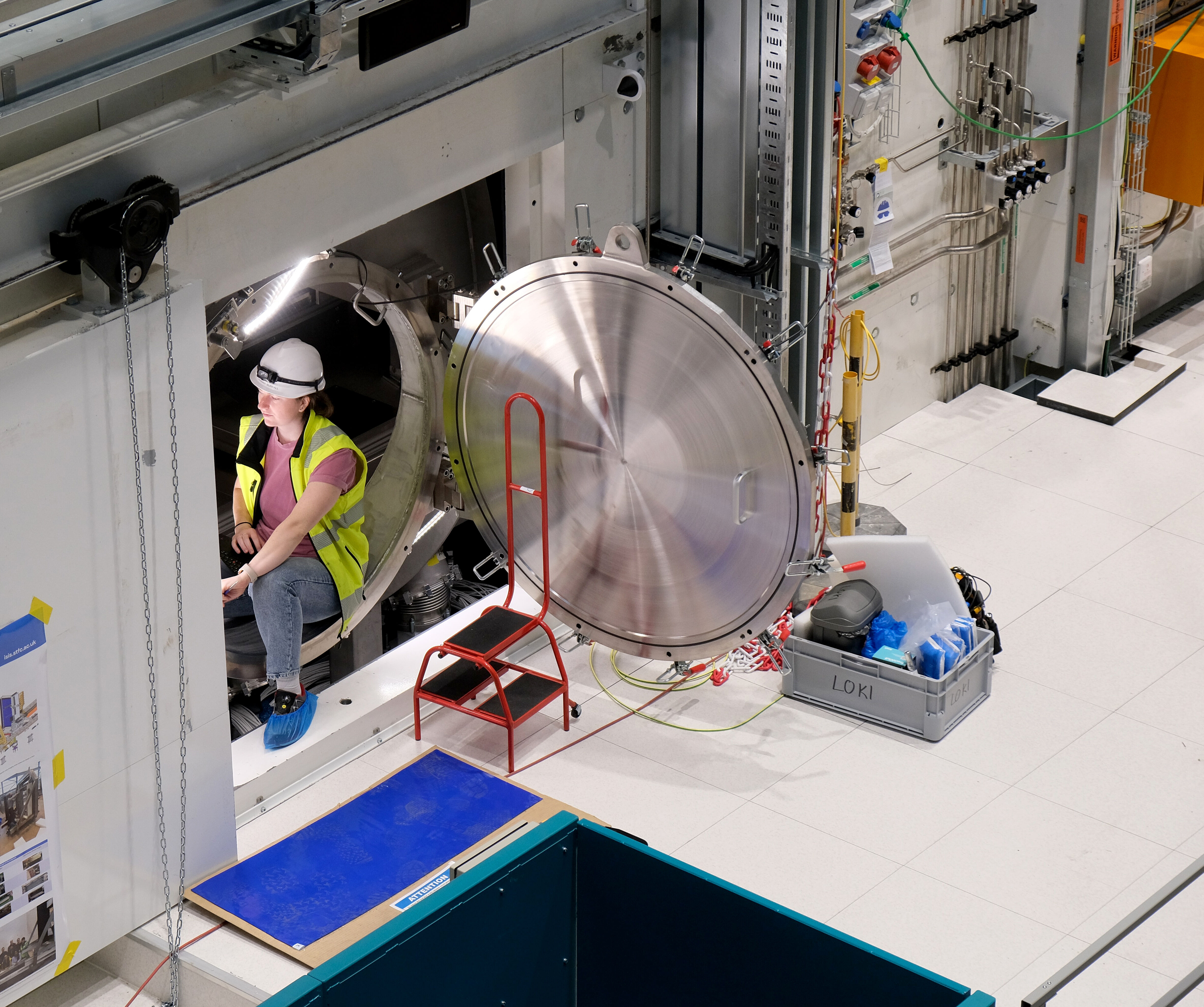
LoKI was one of the first instruments to be proposed and moved into construction at ESS. It has now passed its final safety review – the instrument Safety Readiness Review (iSRR).
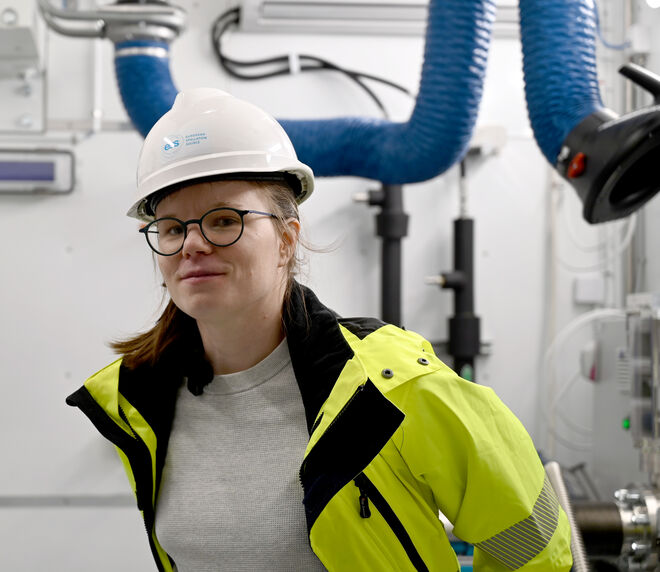
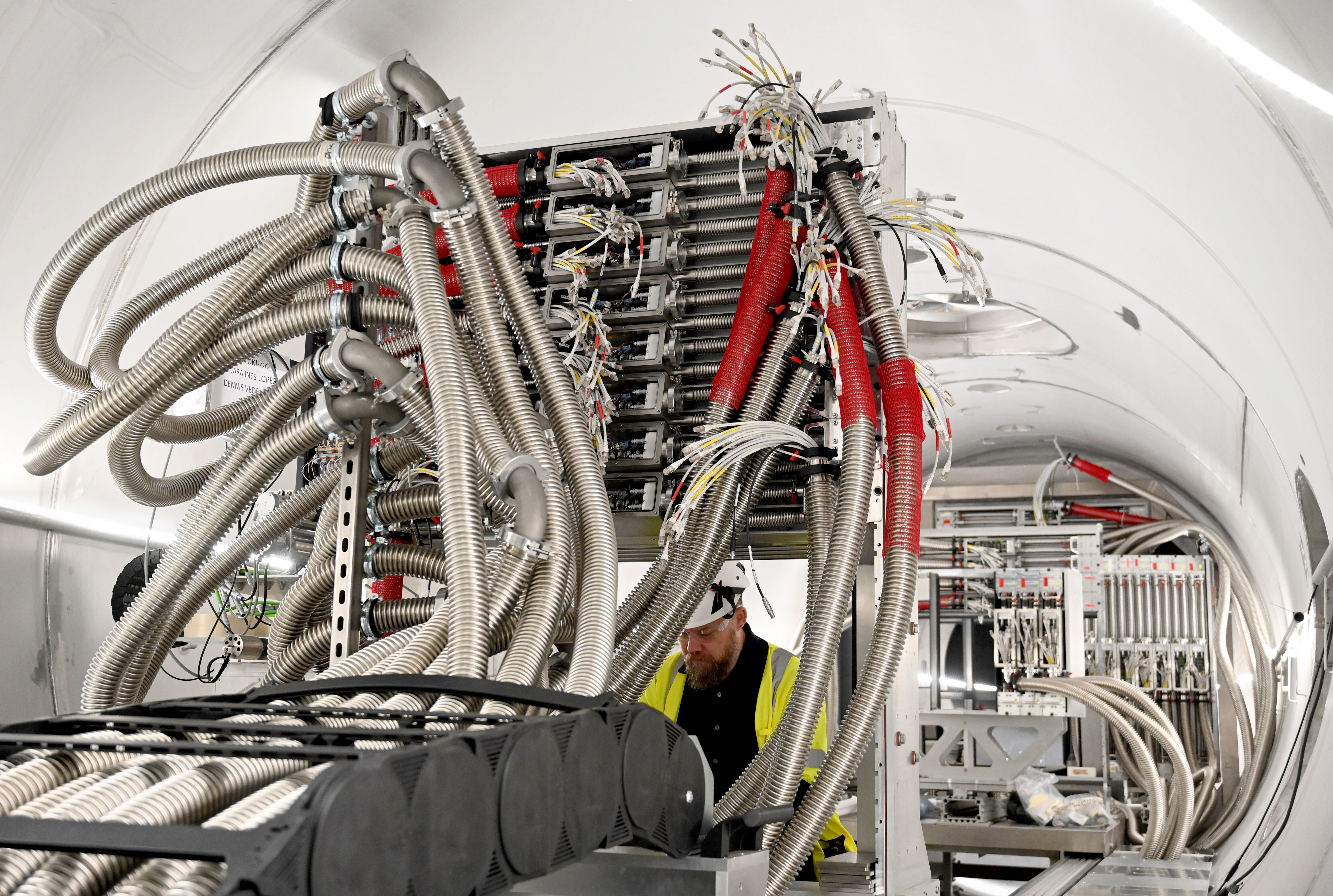
“The instrument is constructed. The safety features are all installed and tested. If we were to get neutrons tomorrow, we'd essentially be good to go. This is an excellent milestone for us, but it doesn't mean that the setting up of the instrument is over. Until ESS comes online, we'll be fine-tuning the instrument and preparing it for neutrons – for hot commissioning. A lot will become clear when we get neutrons, so much of our time now is going to be spent on planning for that and robustly testing everything that we've already tested so far”, explains Judith.
There are also preparations for early science. Once the instruction is commissioned, the team will start testing known samples to compare with published results, and also measure new samples. These experiments are being planned at the moment.
What’s in a name
LoKI is the acronym for “Low K Instrument”, where K relates to the scattering angle. Those familiar with Norse mythology, will recognise it as the name of the complex, shape-shifting god Loki.
The story goes that in a meeting where Norse gods’ names were being discussed for ESS instruments, Andrew Jackson, Head of the Large-scale Structures Division, which includes LoKI, jumped on the name. There were also two other proposals for SANS instruments – SKADI, the goddess who punished LoKI, and Sleipnir – the eight-legged horse that LoKI gave birth to and which was the steed of Odin.