
The Data Management and Software Centre (DMSC) has a new name: Data Management and Scientific Computing centre, still using the DMSC acronym. The name change highlights the group’s central role in handling, processing, and analysing scientific data at ESS. As ESS prepares for operations, DMSC will play a crucial role in turning experimental data into usable information for researchers.
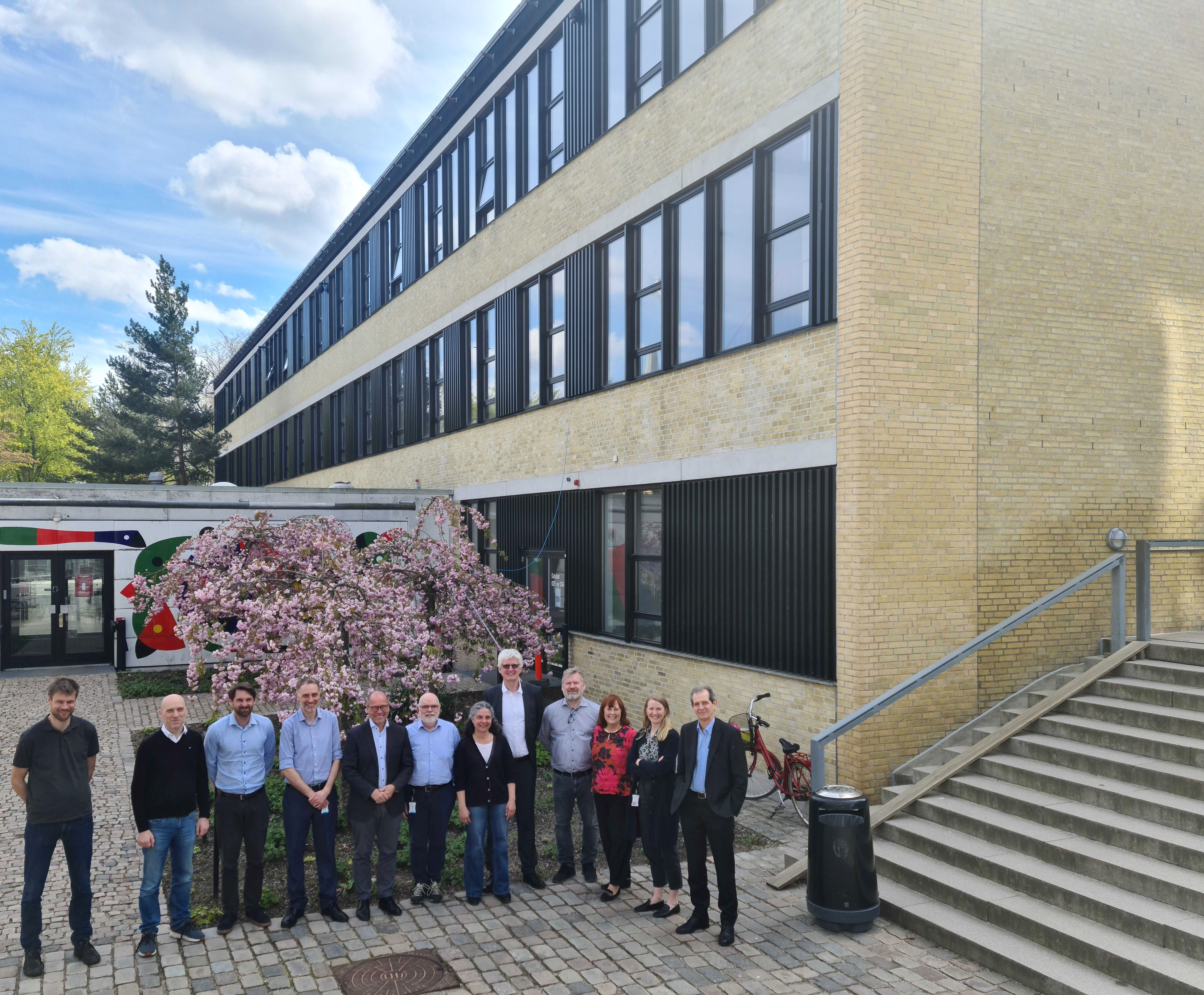
From their base at the Technical University of Denmark (DTU) in Lyngby, the DMSC centre team develops and operates the scientific computing infrastructure of ESS, ensuring that the high-quality data produced by the facility’s neutron instruments are converted into impactful scientific results.
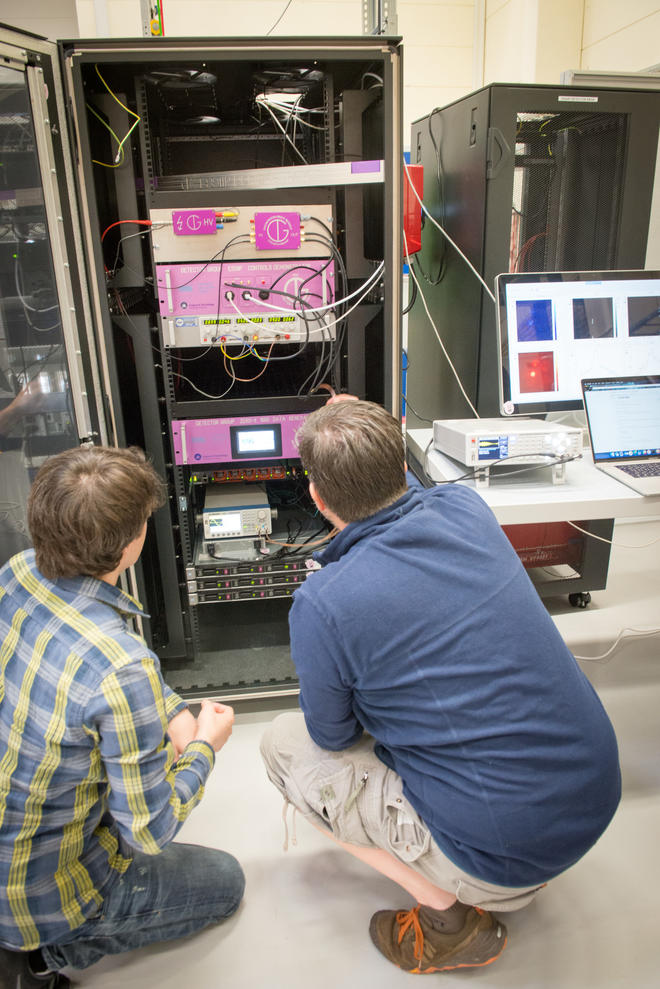
When neutrons pass through a sample, their interactions are encoded in changes of intensity, direction and speed that are registered by detectors, generating large amounts of data. This data is transmitted to DMSC, where it is decoded - i.e., processed and analysed - to yield the information required for understanding the materials.
Their work spans the entire experimental lifecycle, from the proposal submission via the preparation and execution of the experiment to the data processing pipeline and long-term data preservation and cataloguing, including visualisation tools, and user-facing analysis environments. DMSC also develops and maintains specialised software that enables scientists to analyse experimental data and perform advanced computational modelling of scientific results. In essence, DMSC makes it possible to convert data into scientific knowledge.
The centre’s location in Denmark underscores the joint Swedish–Danish hosting of ESS: the physical facility in Lund, Sweden, and the data and scientific computing expertise anchored at DTU in Lyngby, Denmark. This partnership lies at the core of ESS as a truly European collaboration.
The name change was formally approved by the ESS Council at its February 2026 meeting.
ESS Director General Helmut Schober