We are pleased to announce that ESS has been granted the permit for commissioning with neutron production. The permit from the Swedish Radiation Safety Authority (SSM) enables us to begin full-scale tests with neutrons later this year.
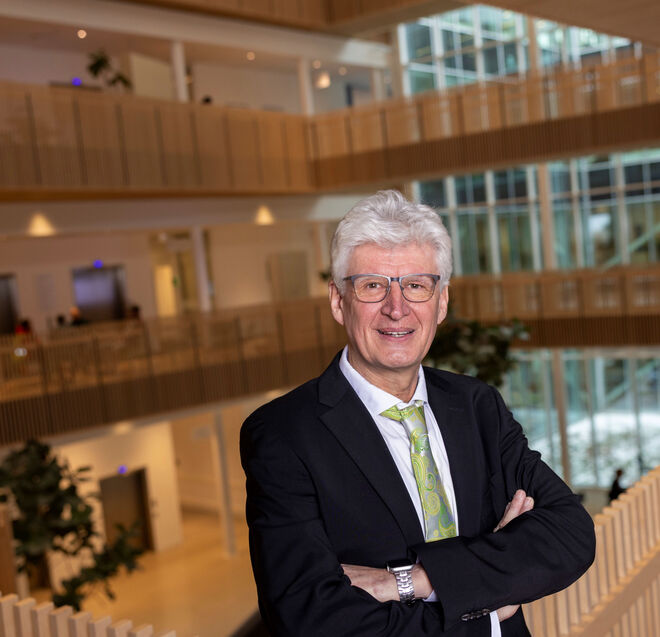
"This is very welcome news, and a milestone that clearly demonstrates the progress ESS is making. It gives us increased momentum as we move toward full commissioning and the production of the very first neutrons" says Helmut Schober, Director General of ESS.
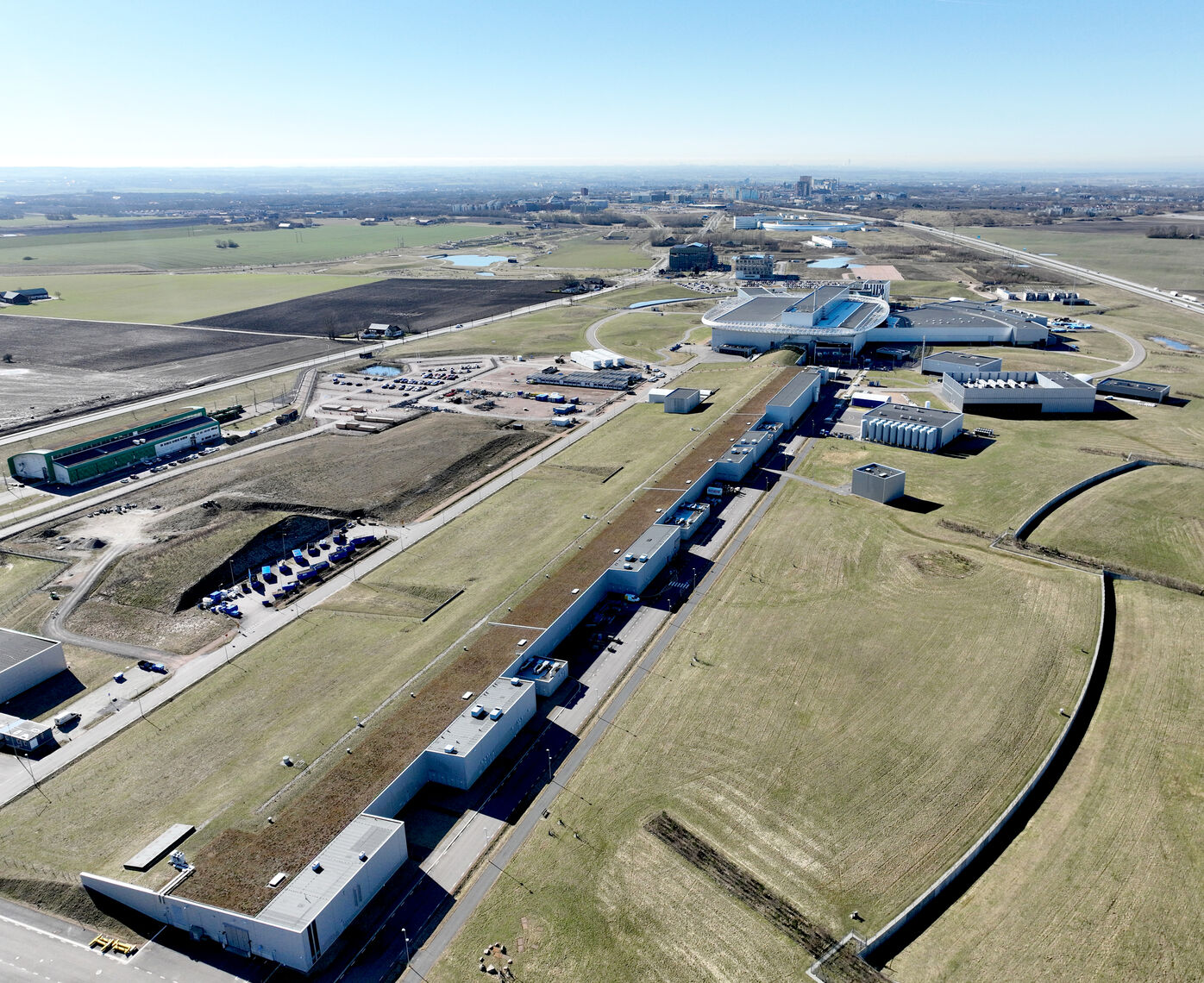
When ESS is in operation in 2028, protons will be accelerated to 96% the speed of light through a linear accelerator and directed towards a rotating tungsten target station. When the protons collide with the target, neutrons will be released, in a process known as spallation. The neutrons will then be guided to various instruments, where researchers will be able to investigate the atomic structure and behaviour of materials.
Following a thorough review, SSM has confirmed that ESS has the necessary conditions in place to safely start producing neutrons from a radiation safety perspective. This is a major milestone in our stepwise licensing process and marks the culmination of work that began more than a decade ago.
Next Steps
With the newly granted permit for neutron production, ESS can continue commissioning the accelerator and initiate the planned commissioning programme for the target station. This includes the Beam on Target operation – where the proton beam is directed on to the target station and the first neutrons are produced – which is expected to take place next winter.
The permit also allows commissioning of other parts of the facility, namely the neutron instruments, supporting the build-up of the scientific user programme. The commissioning permit is valid for five years, during which time SSM will continue to have regulatory supervision. To obtain a permit for routine operation further application and licensing review will be required.