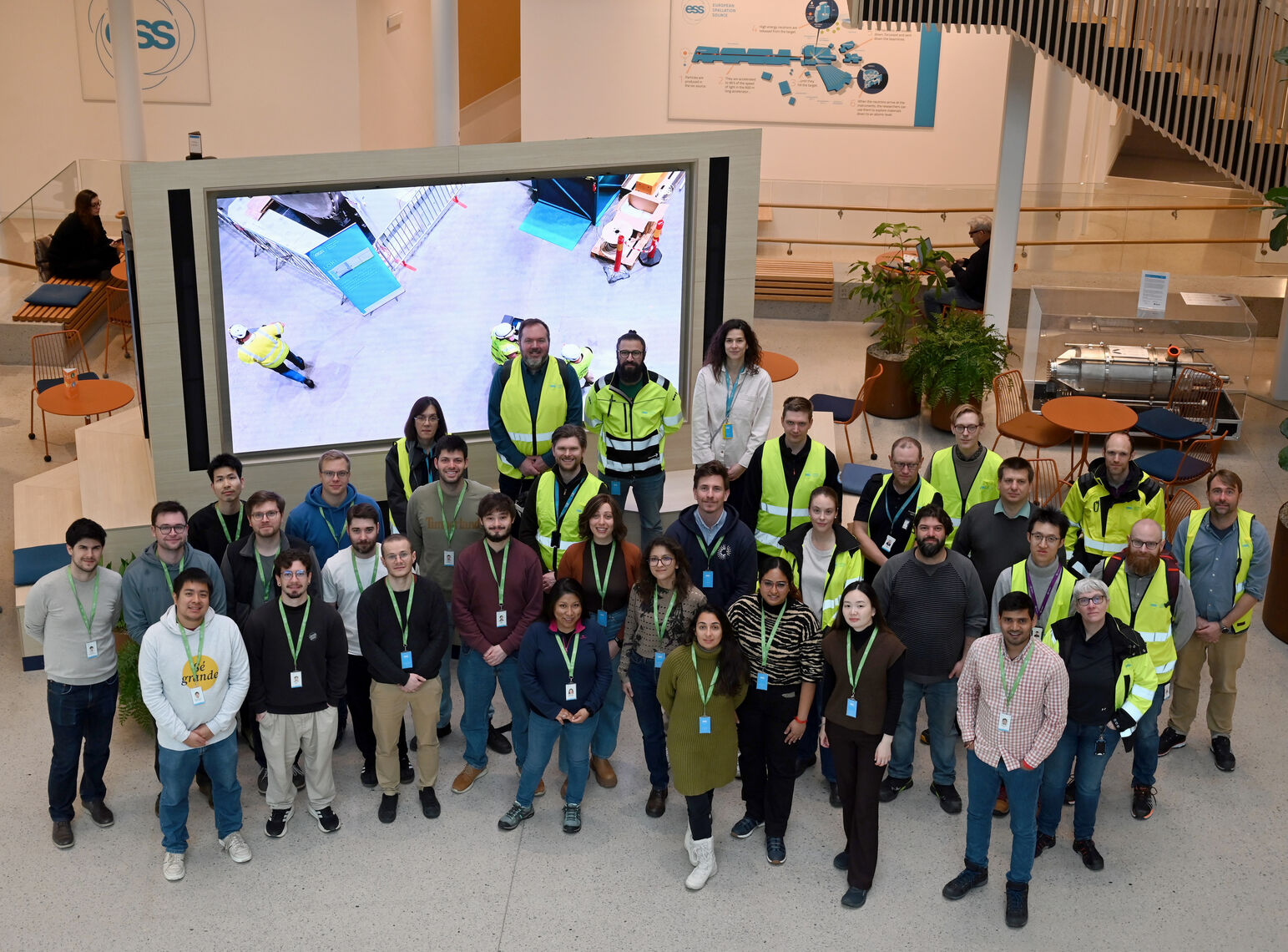
Last week, ESS hosted participants from the HERCULES European School, bringing early-career researchers on site for hands-on training in neutron science. Beyond the technical programme, the visit marks an important milestone for ESS: for the first time, the full user programme from proposal to results was tested in a realistic setting.
From user portal to instrument cave
From arrival to experiment execution, participants moved through the same steps future users will follow, providing a valuable opportunity to test systems, processes and user experience ahead of routine operations.
With ESS planning to welcome external users from 2028, this type of end-to-end testing is an important step in preparing for routine user access.
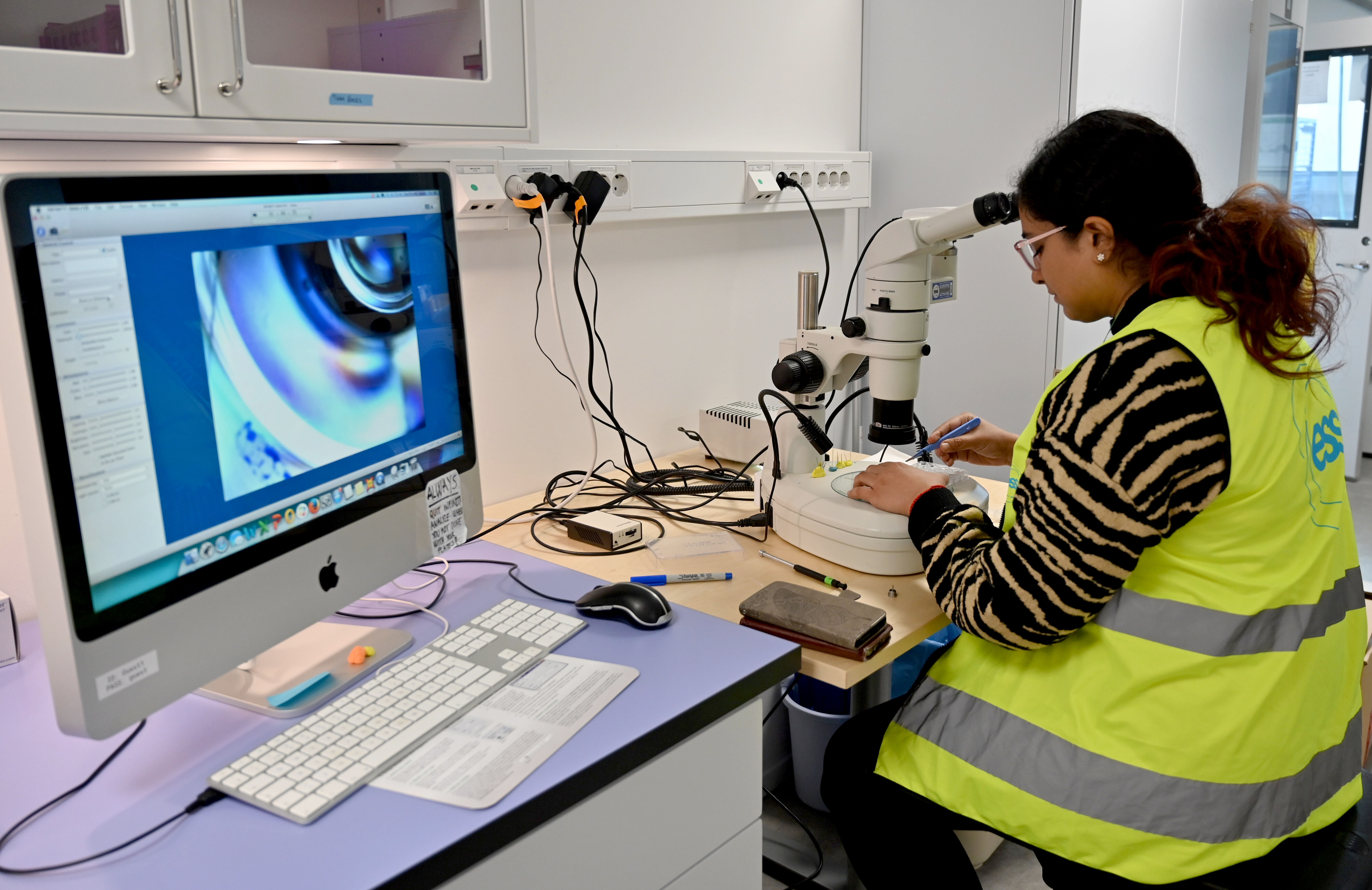
The programme started before participants even arrived on site, with online safety training and onboarding through the ESS user portal. Once at ESS, they received access cards and guided support, mirroring the standard user journey.
A full day of hands-on instrument training
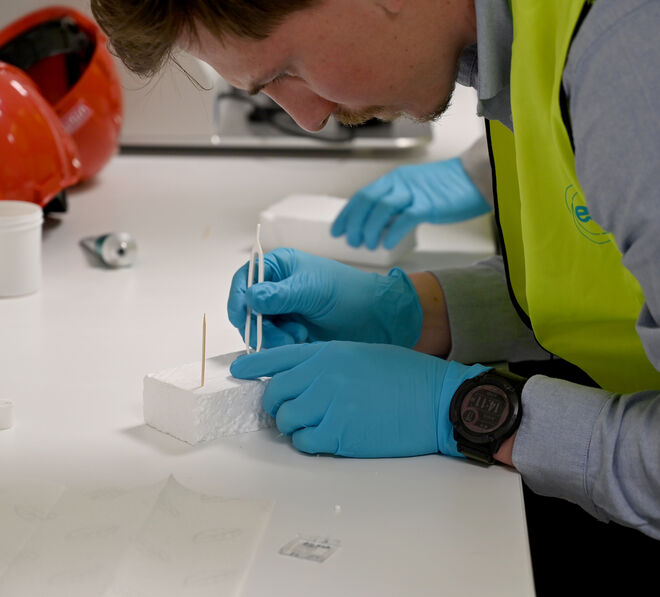
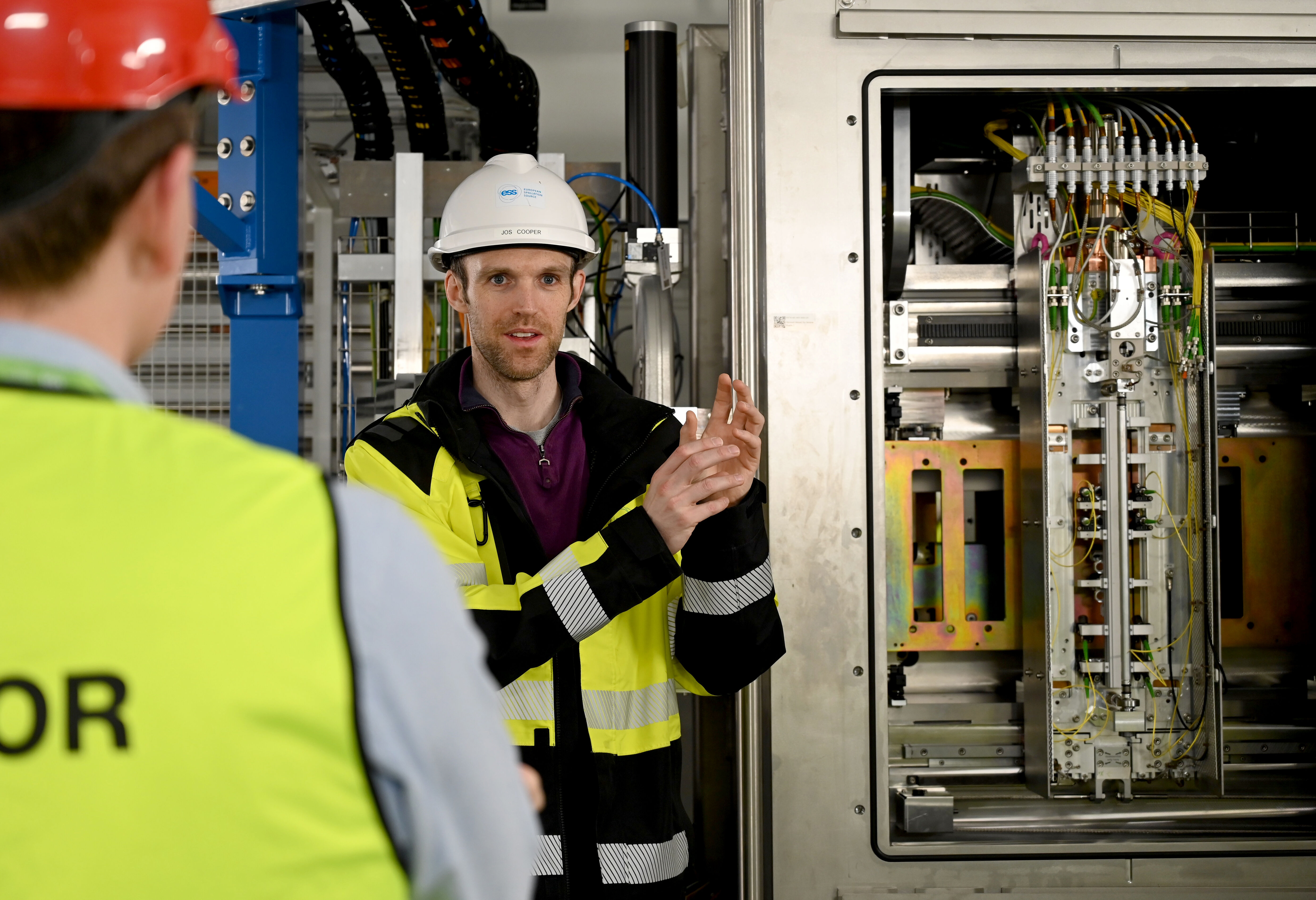
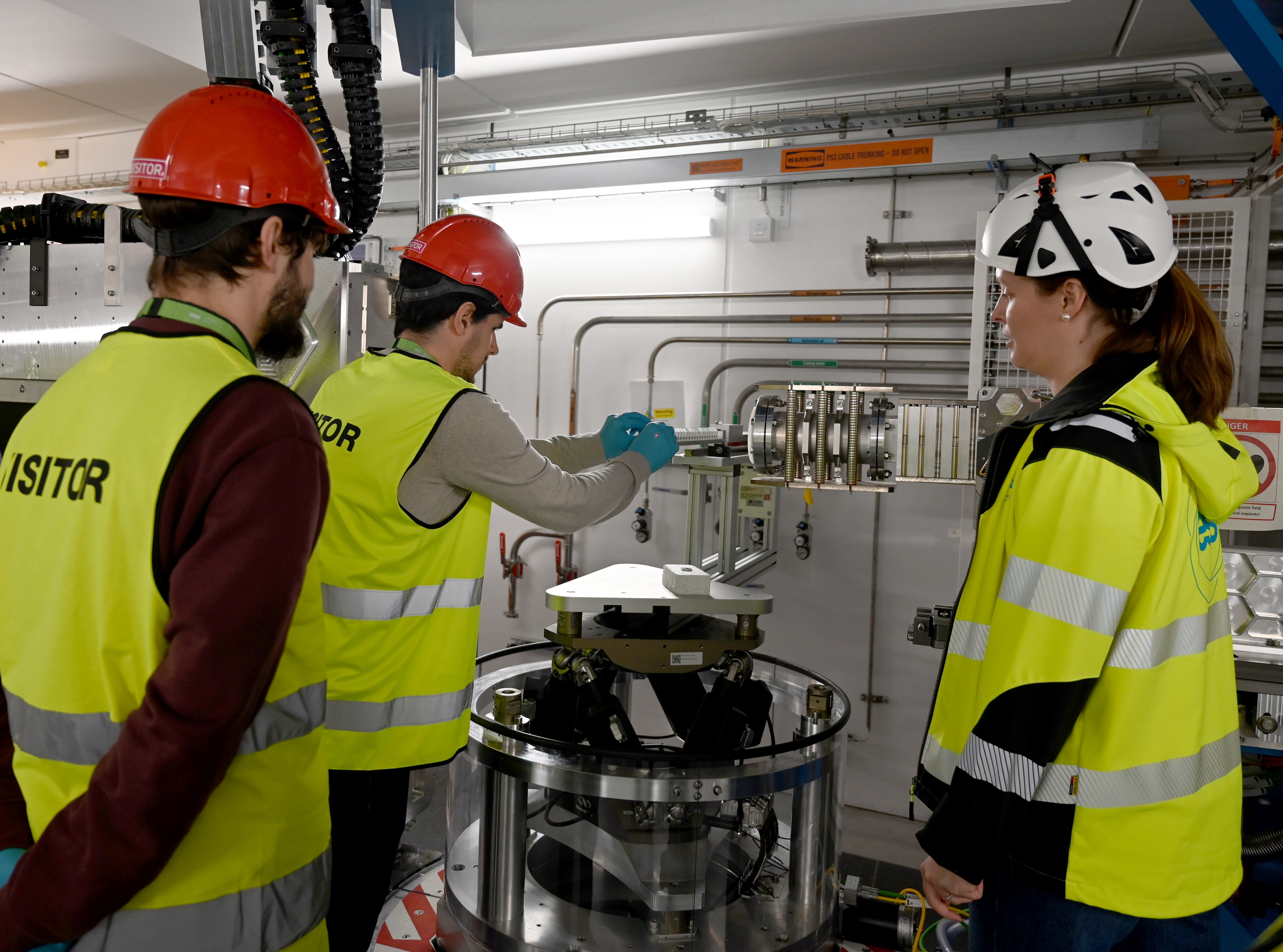
The ESS practical training day was dedicated to hands-on sessions with neutron instrumentation. Participants worked in small groups and rotated between instruments, ensuring broad exposure across the ESS suite and gaining practical insight into how ESS instruments operate. Instrument caves included in the programme were the ESTIA, ODIN, DREAM, BIFROST, NMX and SKADI instruments ensuring broad exposure across the ESS suite and gaining practical insight into how ESS instruments operate.
The rotation format allowed participants to experience different scientific techniques and instrument concepts in a single day.
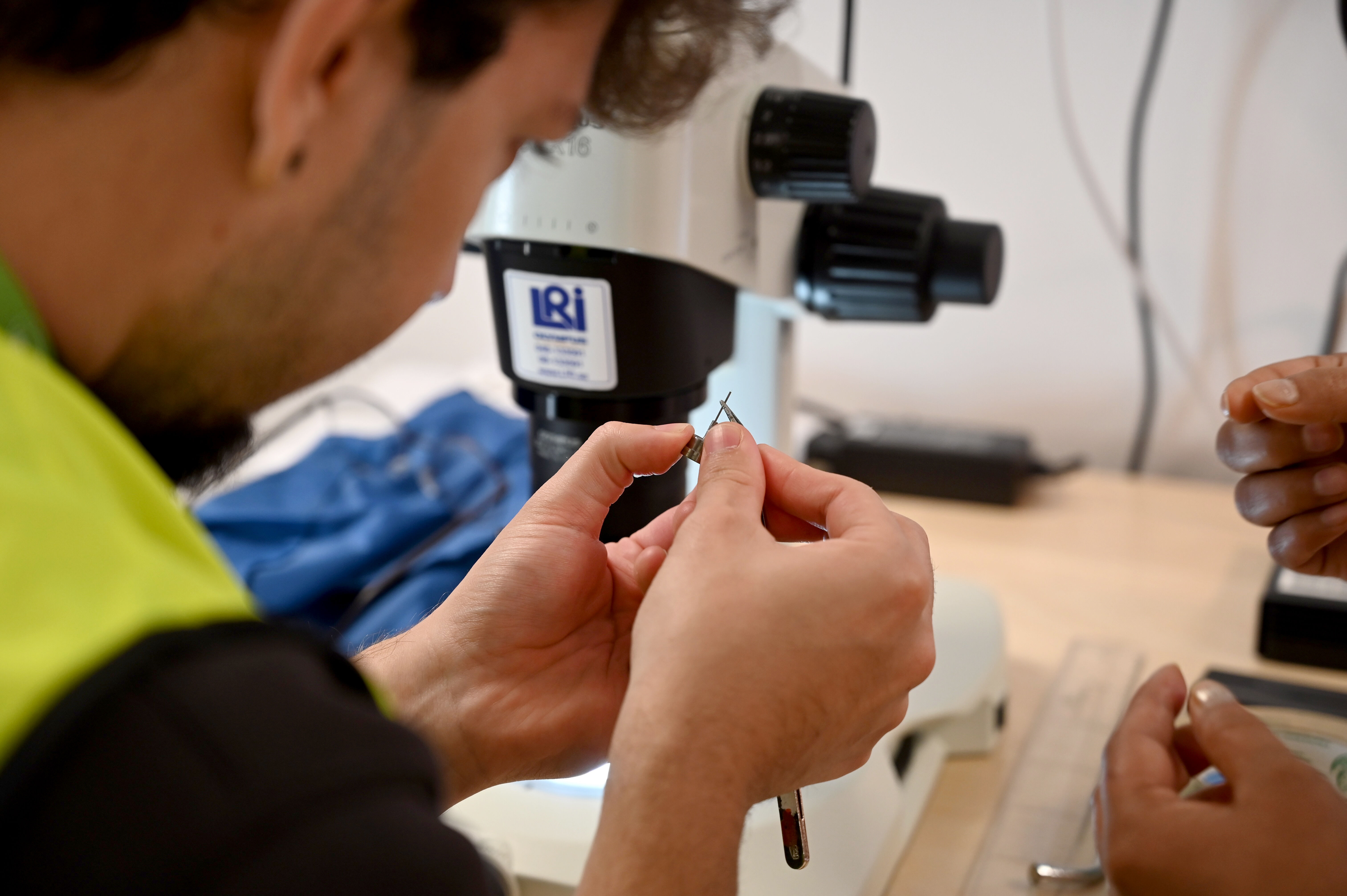
For ESS, it allowed the testing of logistics such as group movement, timing, and support coordination across the facility. Throughout the day, ESS teams supported participants with sample preparation and the simulation of experiments using virtual beamline environments.
This coordinated effort involved multiple teams in the ESS Science Directorate, from the user office and safety team to instrument scientists and technical support, working together to deliver a seamless experience.
Extending the experience to MAX IV
As part of the programme, participants also spent two days at MAX IV Laboratory, complementing the neutron-based training at ESS with synchrotron-based techniques. Together, the two facilities provide a broader view of large-scale research infrastructures and their experimental possibilities.
Closing the loop: reporting and discussion at ESS
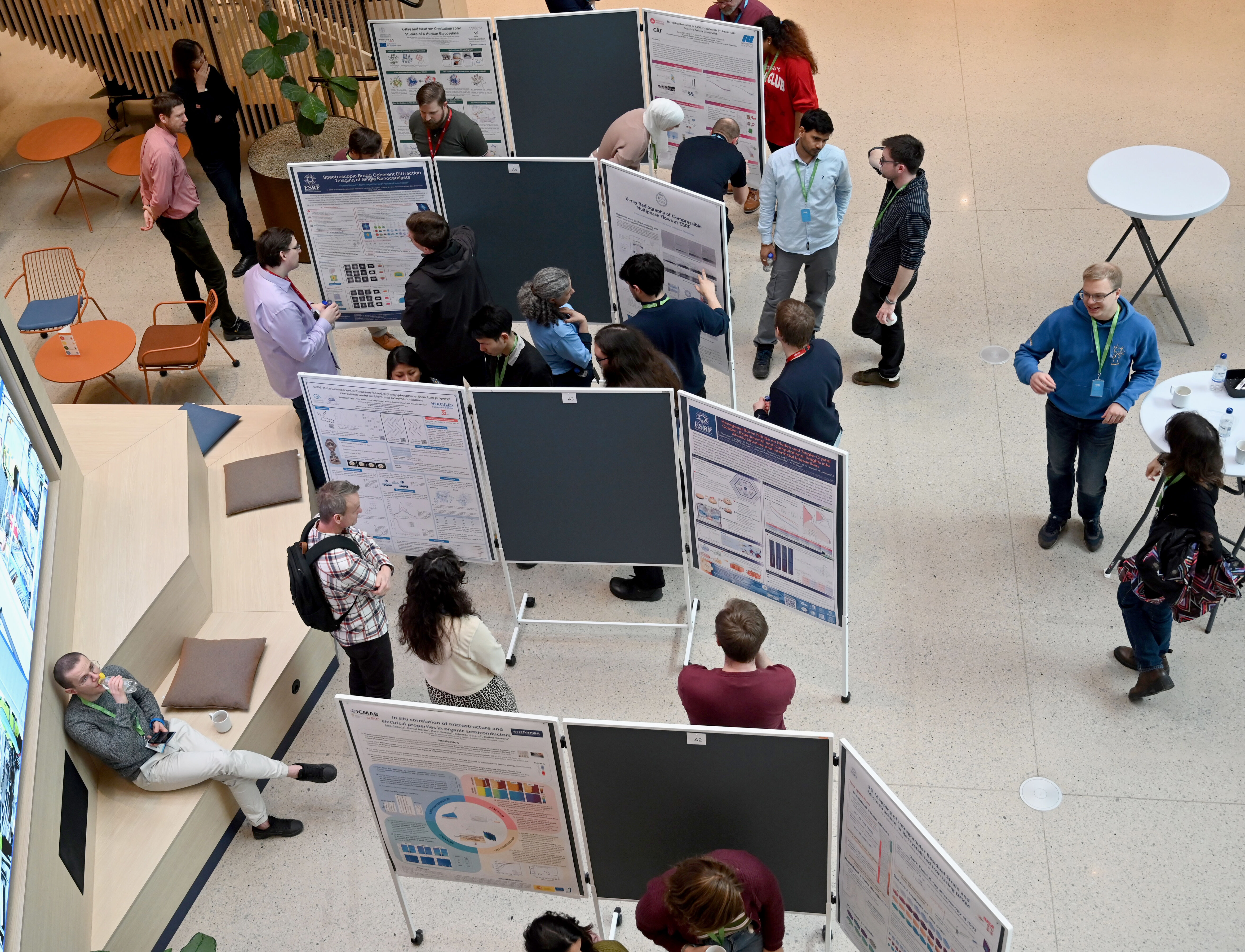
On the final day the HERCULES school participants group presented their experimental results at ESS, followed by a poster session and joint discussions. This step reflects the final stages of the scientific process – analysis, reporting and knowledge sharing – completing the full cycle from proposal to results.
About the HERCULES School
The HERCULES School is a long-running European training programme for students and young researchers in neutron and X-ray science, typically early career researchers, such as doctoral candidates and post-docs, and senior scientists from across Europe and beyond. The programme aims to build both theoretical understanding and practical skills in x-ray and neutron science, while also introducing users to the workflows and environments of large-scale research infrastructures.
The school runs over a period of five weeks and combines lectures, tutorials and practical sessions at major large scale research facilities, with a focus on experimental techniques and real-world applications. Based in Grenoble and run in collaboration with the ILL and ESRF, every year partnerships are established with other European facilities for students to spend one week discovering different opportunities. This year ESS and MAX-IV were the partner hosts. One week out of the five school weeks is spent in other Large Scale Facilities. This year these were: ALBA (Spain), KIT (Germany), MAX IV, and SOLEIL (France).
More information about the programme is available here