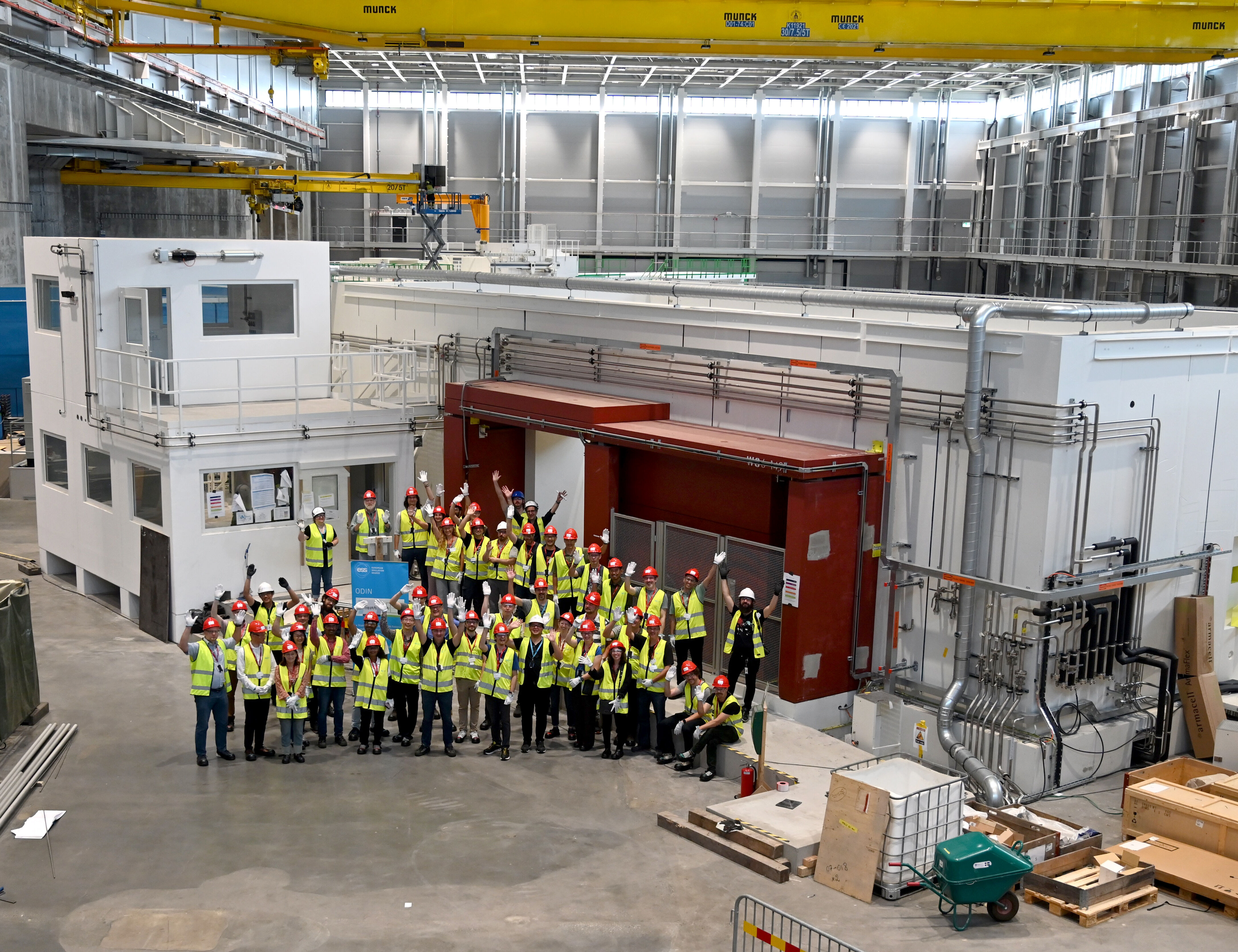
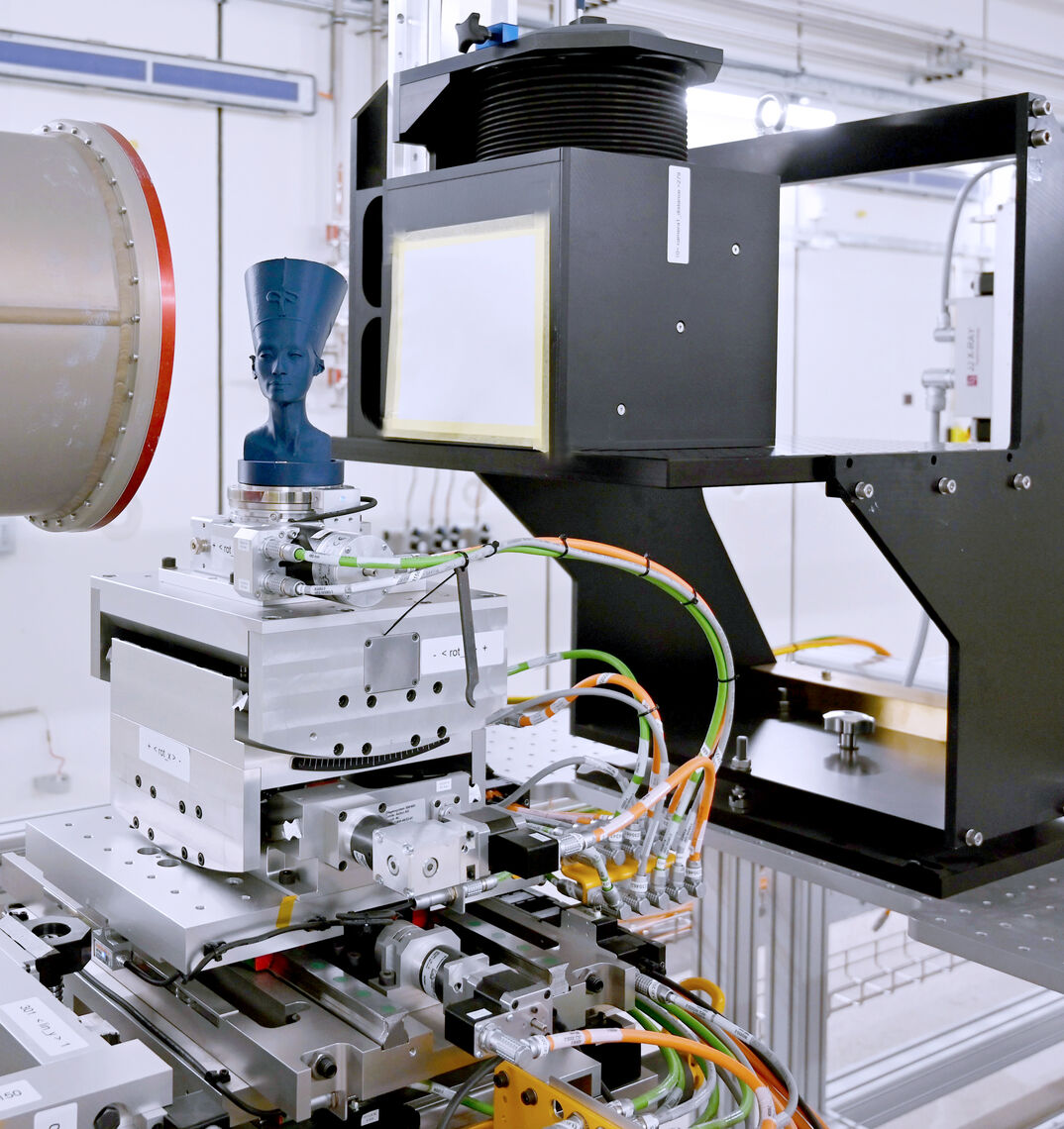
ODIN, a multi-purpose neutron imaging instrument built by the Technical University of Munich (TUM), Germany and the Paul Scherer Institute (PSI), Switzerland, is one of the four ESS instruments that is ready to receive neutrons after completing its safety readiness review.
ODIN stands for Optical and Diffraction Imaging with Neutrons. Similar to an X‑ray radiography unit at a hospital, ODIN will produce images, but with neutrons. Neutrons penetrate materials in ways X‑rays do not, revealing complementary information about structure and function. What sets ODIN apart is that, thanks to the pulsed neutron beam of ESS, it will not only detect where neutrons are 'missing' after passing through a sample but will also determine why they are missing. For example, whether the loss is caused by temperature changes or phase transformations within the material.
Some of the research that ODIN will enable
Associated with the long-pulsed neutron beam that is unique to ESS, ODIN will go beyond taking a simple snapshot with neutrons and instead reveal how materials behave under changing conditions. Scientists will gain much richer insights into materials, and also produce higher resolution neutron images across a range of research areas, such as cultural heritage, paleontology, mechanical and chemical engineering, biomedicine, food science and plant physiology. Industry partners are already engaging with the ODIN team to explore how they can use the instrument, complementing its primary academic research focus.
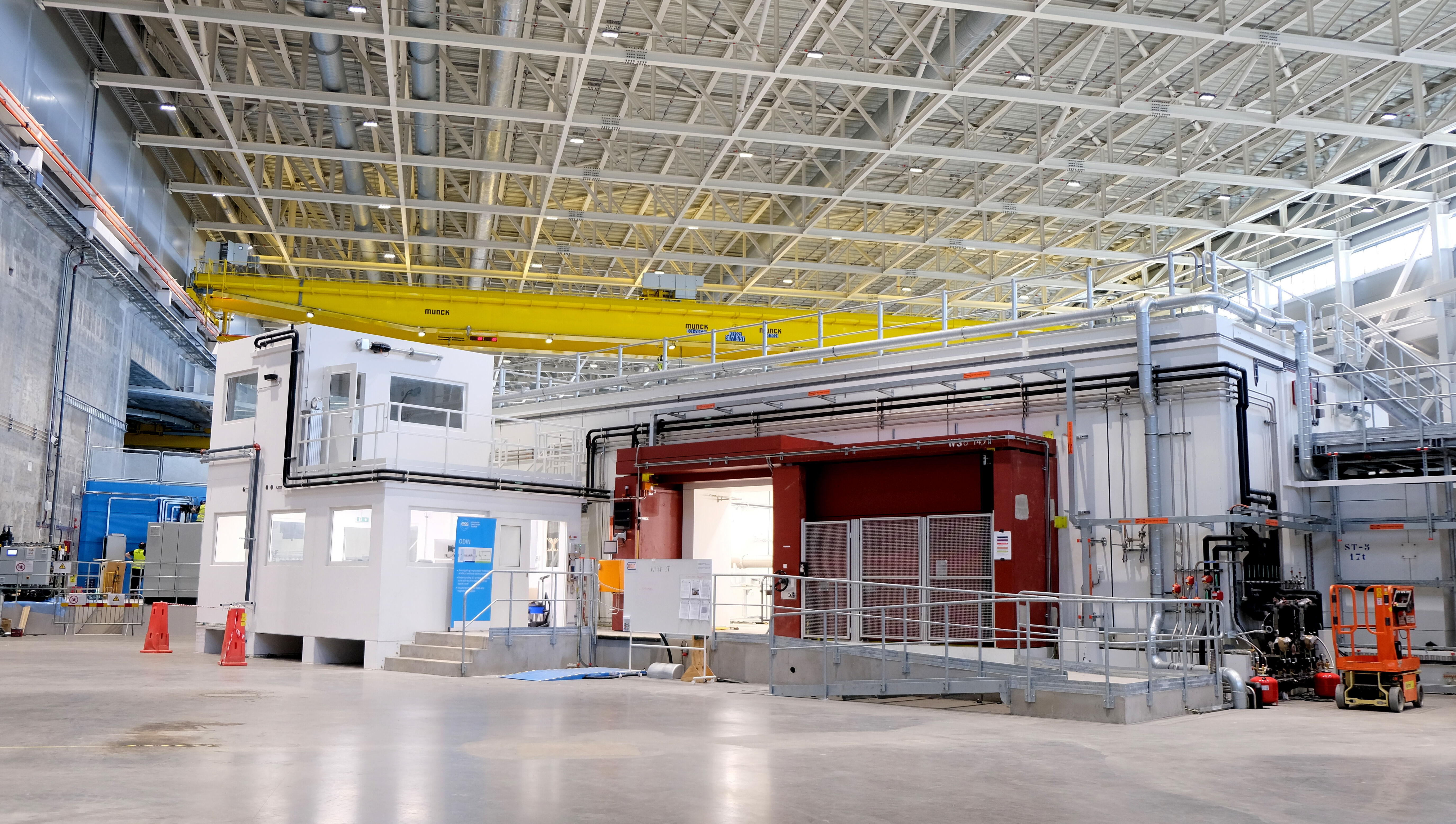
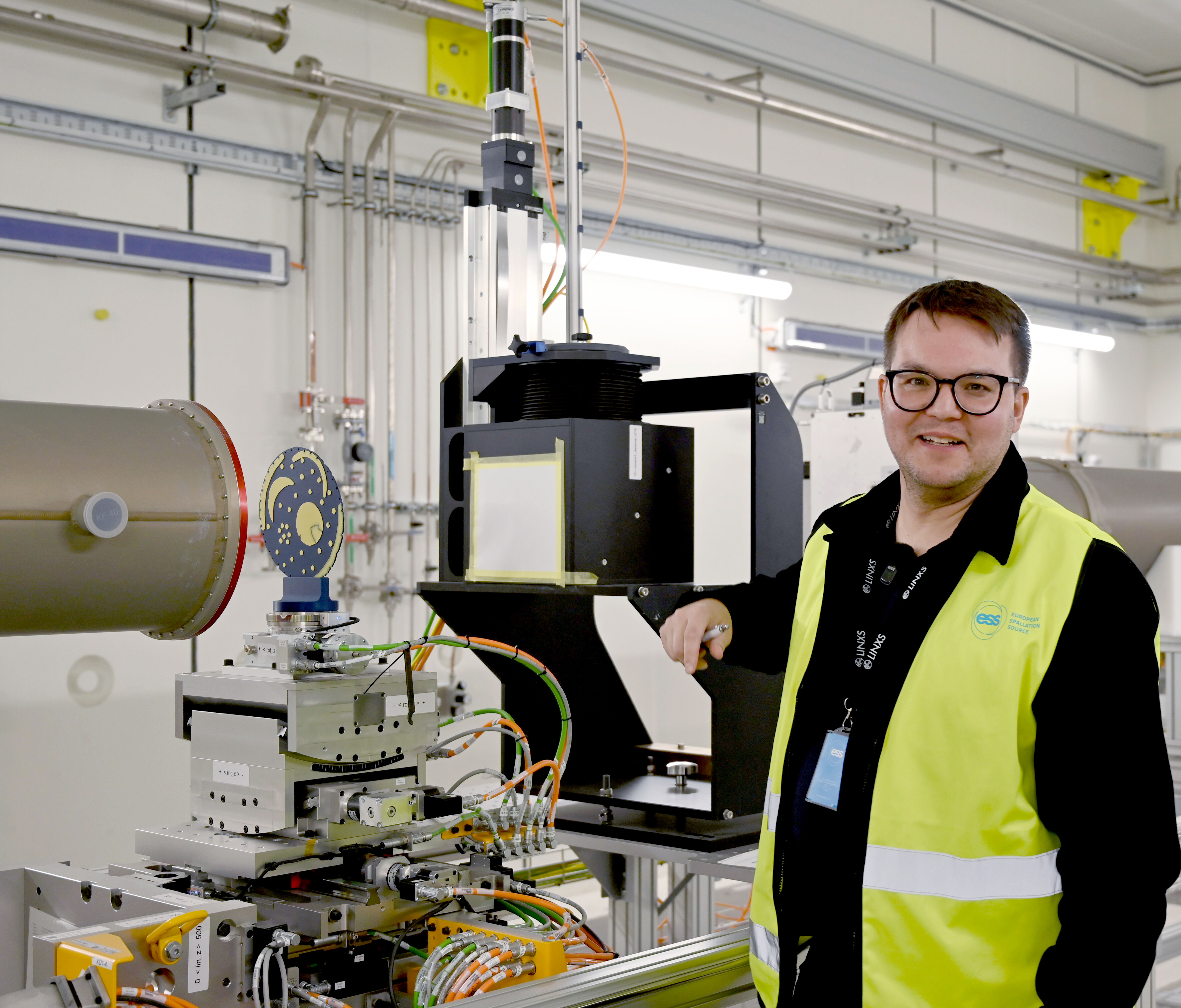
ODIN will be able to accommodate large objects – a viking helmet or even an engine – widening the range of samples it will be able to study. It will be possible to take 2D images (called radiographs) and also produce 3D reconstructions, thus allowing researchers to see inside an object, using a process called tomography (similar to CT scans used in medicine).
The ODIN team is excited to kick-start collaborative projects this year, focusing on improving the quality of the 3D images that ODIN will produce, minimising the exposure times and hence allowing the study of faster processes in real time. This will involve developing AI algorithms to improve 3D reconstructions from ODIN tomography data.
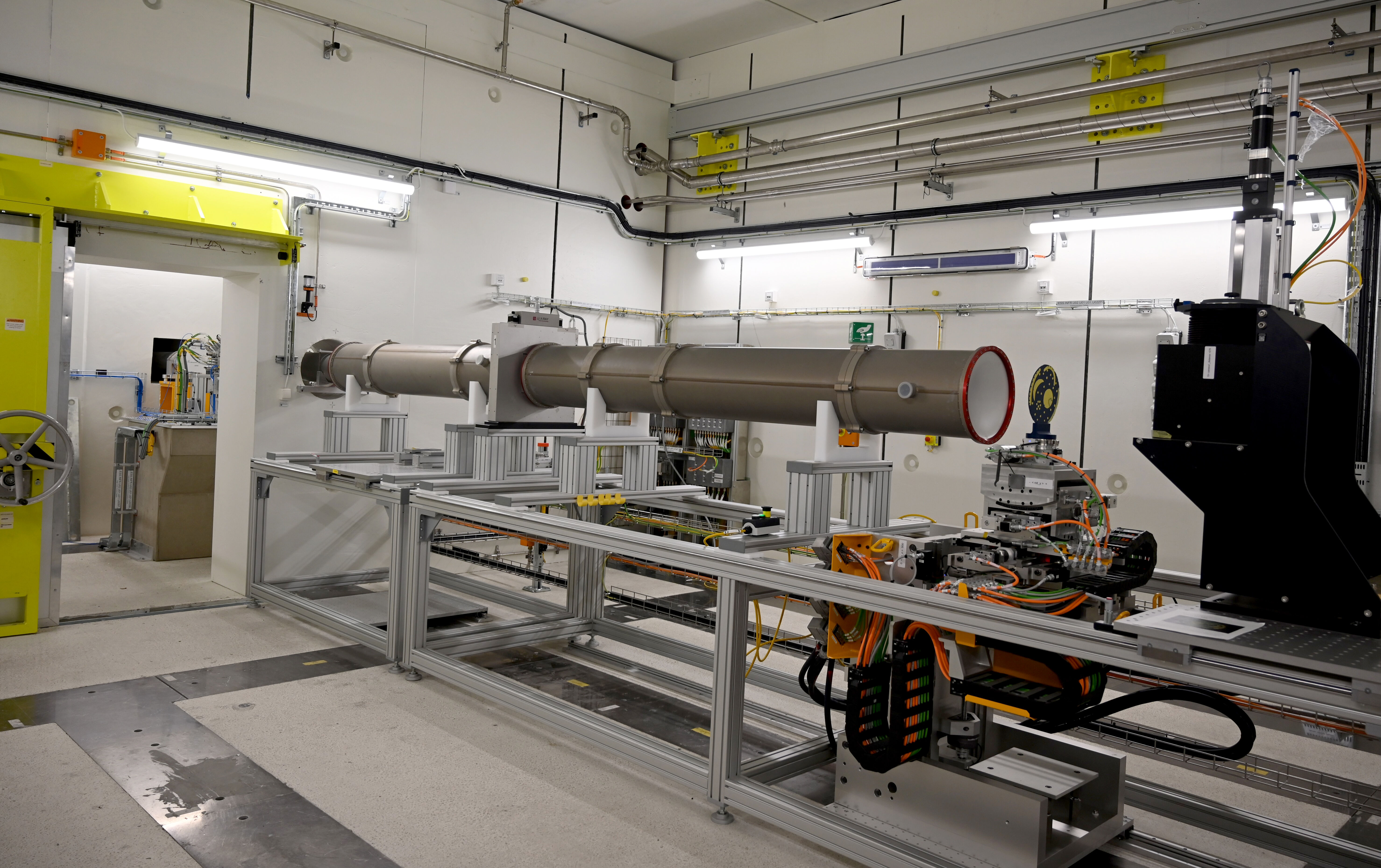
Combining neutrons and X-rays
ODIN will have an X-ray source that will simultaneously irradiate the sample, perpendicular to the neutron beam. The fundamental differences in how neutrons and X-rays interact with matter enable scientists to tackle many different problems, from studying the distribution of cracks on the surface of cement to monitoring the movement of lithium ions inside operating batteries. The combination of the two methods in a single experiment at ODIN will surely help scientists get a more complete picture of the material they are studying.
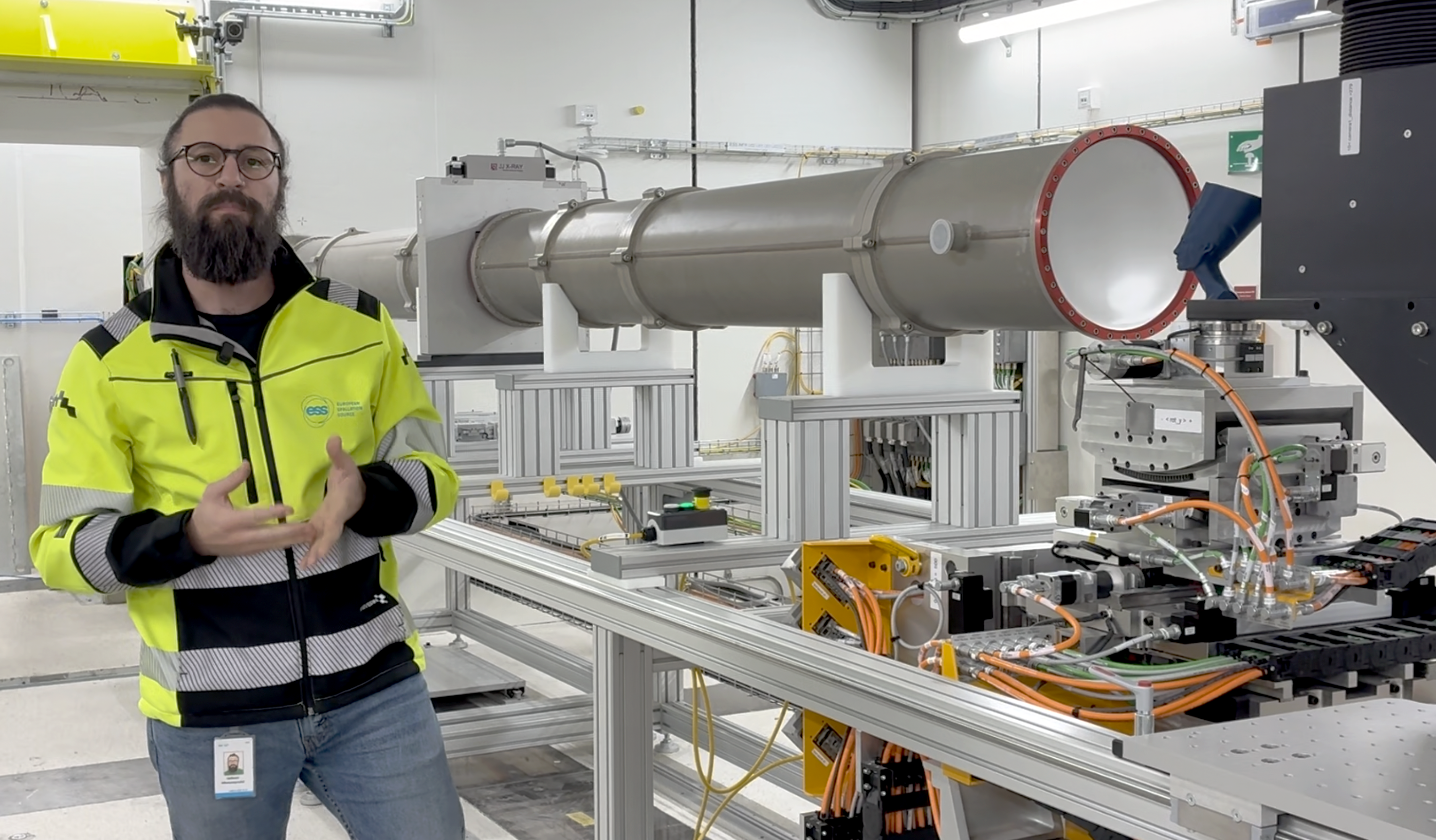
Being ready for neutrons and science
ODIN successfully went through the Instrument Safety Readiness Review (iSRR) in December last year. There were no roadblocks, and ODIN is now officially ready for neutrons.
Robin highlights the team effort that went into reaching this milestone over the last decade, and is looking forward to what comes next, “The instrument team had to build the instruments on time, on budget and work with many technical teams and external companies – this work has successfully led us to the iSRR. When we have neutrons, the focus will be to build collaborations with several “early” scientific users to prepare the instrument for research. We will first benchmark ODIN against known scientific results, to be sure that we can trust what we are seeing, and then move on to new research questions”.
What’s in a name
With ODIN’s wide-ranging applications and capacity to study larger samples, its name is fitting: in Norse mythology, Odin is the chief god, the one-eyed Allfather, who sacrificed an eye to see everything that happens in the world.